
California is widely recognized for its famous attractions, celebrated
national parks, and well-known coastal destinations. However, beyond these
popular places are countless lesser-known locations that reveal another side
of the Golden State. Small historic towns, quiet coastal villages, unusual
geological formations, and overlooked cultural destinations offer
experiences that are often different from traditional tourist routes.
These hidden gems provide opportunities to discover California’s history,
appreciate its natural landscapes, and learn about communities that may
receive less attention than major tourist centers. Some destinations
preserve historic architecture and local traditions, while others showcase
remarkable scenery and geological features. Exploring these places can lead
to a deeper appreciation of California’s diversity.
Discovering California Beyond the Famous Attractions
Many visitors associate California with destinations such as San Francisco,
Los Angeles, Yosemite National Park, and the Pacific Coast Highway. Although
these locations deserve their popularity, the state also contains smaller
destinations with their own historical, cultural, and natural significance.
Some of these places are located along quieter stretches of coastline, while
others can be found in mountain communities, desert regions, and historic
towns. They may feature preserved buildings, independent businesses, scenic
viewpoints, local museums, or natural attractions that reflect the character
of their surroundings.
Exploring lesser-known destinations also provides an opportunity to learn
about the people and communities that contribute to California’s identity.
Each place has its own story, and many are worth discovering beyond the
usual sightseeing itinerary.
Mendocino: A Historic Village Along the Northern Coast
Located along California’s northern coastline, Mendocino is
a historic coastal village known for its wooden architecture, scenic ocean
views, and distinctive small-town character. Its location overlooking the
Pacific Ocean makes it an appealing destination for visitors interested in
coastal scenery, historic buildings, and quieter travel experiences.
The village developed during the nineteenth century and has connections to
the region’s lumber industry and maritime history. Many historic structures
remain part of its streetscape, giving visitors an opportunity to appreciate
the architecture and development of an earlier California coastal community.
Beyond its historic center, Mendocino offers access to nearby coastal
landscapes, walking areas, and protected natural spaces. Visitors can enjoy
scenic overlooks, explore local galleries and shops, and learn more about
the region’s history through its preserved buildings and community
attractions.
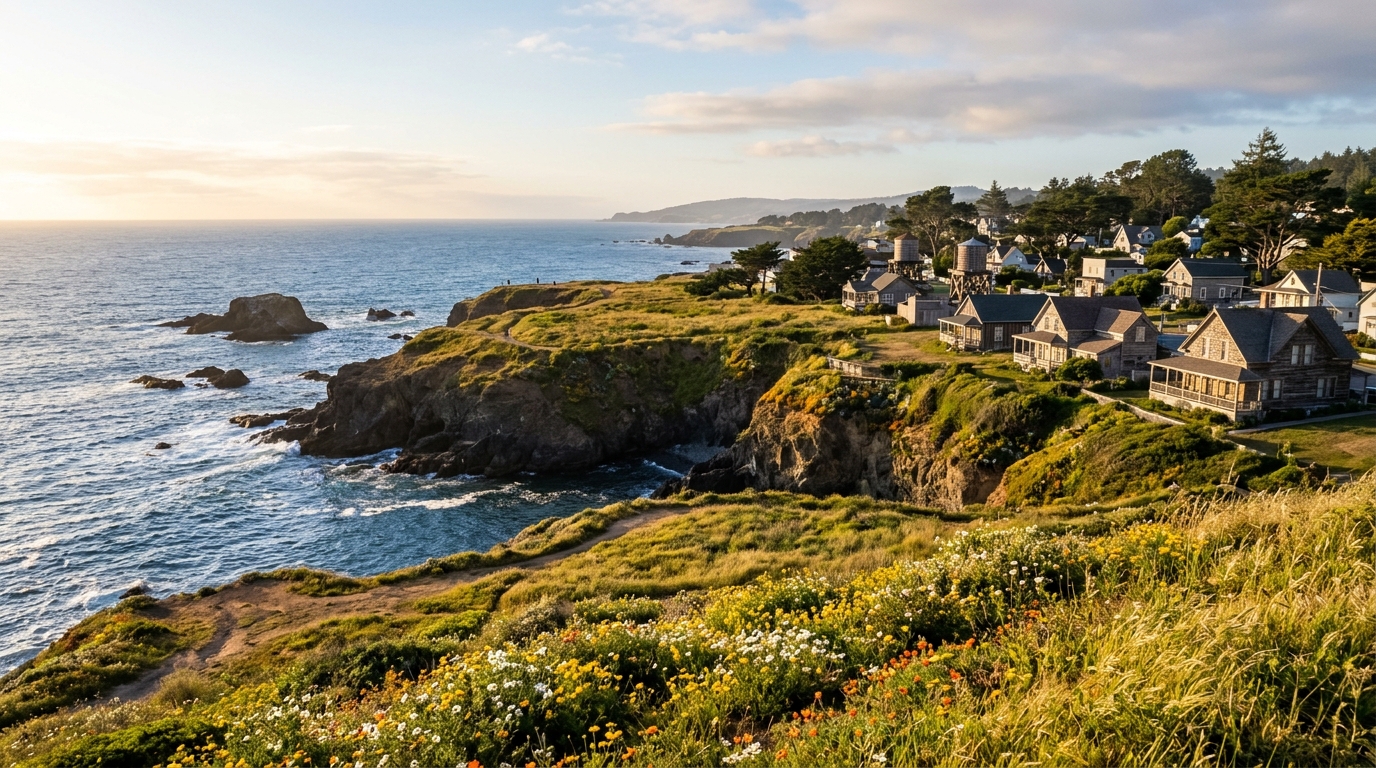
Northern California’s Pacific shoreline.
Alabama Hills: An Unusual Landscape in Eastern California
Near the town of Lone Pine in Eastern California,
Alabama Hills features a remarkable landscape of rounded
rock formations, natural arches, and desert scenery. Set against the eastern
Sierra Nevada, the area offers dramatic views of the surrounding mountains,
including the region near Mount Whitney.
The distinctive rock formations were shaped by geological processes over
long periods. Their unusual shapes and contrasting textures create a
landscape that looks different from the state’s coastal forests and alpine
destinations. The area has also appeared in numerous films and television
productions, contributing to its recognition among visitors interested in
outdoor scenery and movie history.
Alabama Hills is popular for photography, sightseeing, hiking, and exploring
its natural formations. Visitors should remain on designated routes where
required, respect land management guidelines, and avoid damaging fragile
desert surfaces. Weather conditions and terrain can also create challenges,
particularly during periods of extreme heat.
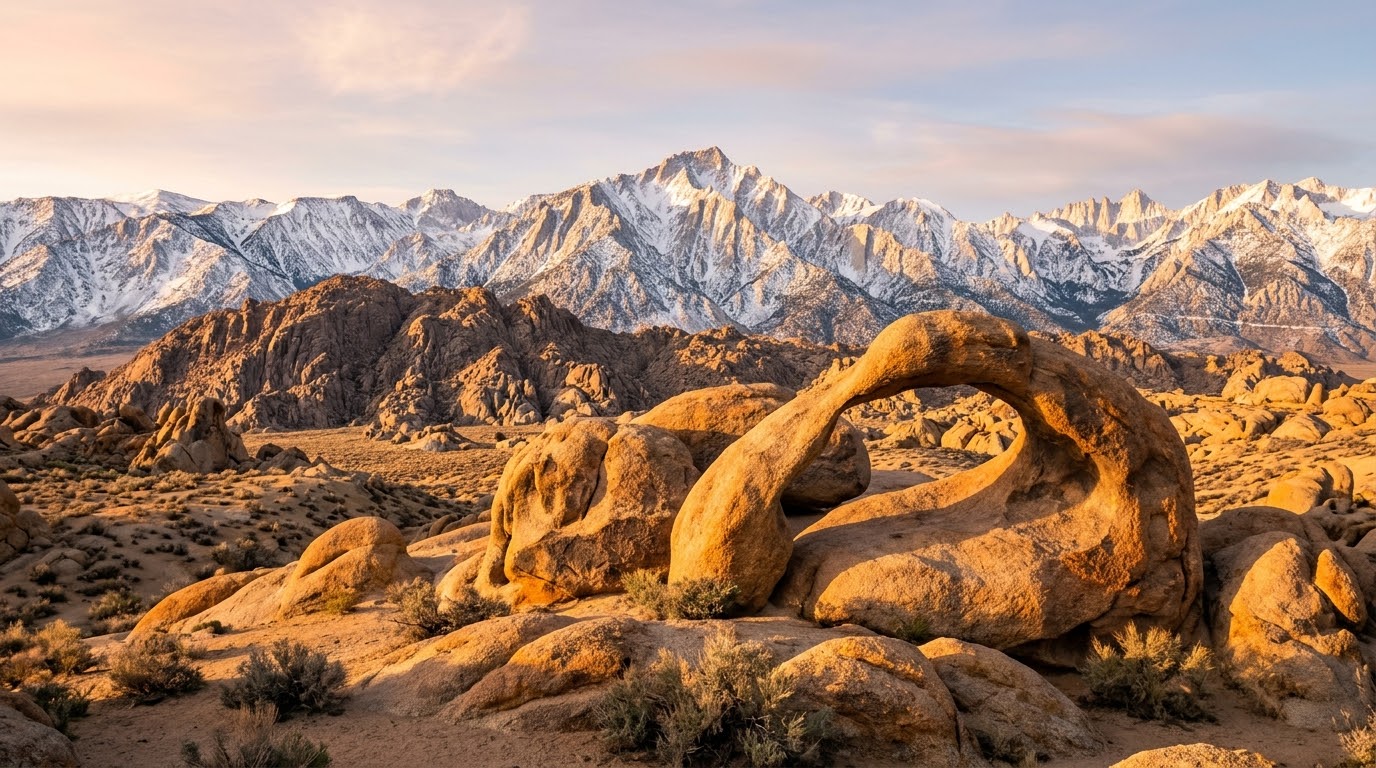
views in Eastern California.
Small Historic Towns With Stories to Tell
California’s smaller historic towns offer another way to discover the
state’s overlooked destinations. Communities such as Nevada City, Ferndale,
and Julian preserve different aspects of California’s development, including
Gold Rush history, agricultural traditions, and historic architecture.
Nevada City is known for its preserved Gold Rush-era commercial district and
historic buildings. Ferndale features distinctive Victorian architecture and
a historic downtown, while Julian is associated with its nineteenth-century
mining history and apple-growing traditions.
These communities offer opportunities to explore local museums, historic
streets, independent shops, and community attractions. Their character also
reflects the importance of preserving local heritage and maintaining
connections to earlier generations.
Quiet Coastal Destinations Worth Exploring
California’s coastline extends far beyond its most famous beaches and
waterfront attractions. Smaller coastal communities and less prominent
shoreline destinations offer different ways to experience the Pacific Ocean
and the landscapes surrounding it.
Places such as Trinidad in Northern California and the coastal areas around
Cambria provide opportunities to appreciate scenic shorelines, local
history, and quieter community environments. Depending on the location,
visitors may encounter rocky beaches, coastal trails, fishing communities,
historic structures, and wildlife viewing areas.
Coastal exploration requires awareness of changing ocean conditions and
shoreline hazards. Visitors should observe posted warnings, avoid unstable
cliffs, remain cautious around surf zones, and use designated paths and
viewing areas.
Unusual Natural Attractions Across the State
Some of California’s most interesting lesser-known destinations are defined
by their unusual natural features. Beyond the well-known national parks are
geological formations, volcanic landscapes, desert environments, and
distinctive natural areas that provide opportunities for exploration and
education.
Places such as the Trona Pinnacles, Lassen Volcanic National Park, and the
landscapes surrounding Mono Lake demonstrate the state’s geological
diversity. These destinations feature unusual rock structures, volcanic
features, mineral formations, and distinctive ecosystems that differ
considerably from one another.
Exploring these locations can help visitors better understand the natural
processes that have shaped California. It also highlights the importance of
conservation, responsible recreation, and protecting environmentally
sensitive areas.
Planning a Visit to Lesser-Known Destinations
Visiting lesser-known destinations often requires more preparation than
traveling to major tourist attractions. Some locations have limited visitor
facilities, fewer transportation options, and less developed infrastructure.
Checking official information before departure can help visitors understand
what to expect.
Consider transportation arrangements, road conditions, parking availability,
weather forecasts, and the distance between destinations. Remote locations
may have limited mobile phone coverage, fewer nearby services, and
restricted access during certain seasons.
Accessibility should also be considered. Some historic towns offer
relatively accessible sidewalks and public spaces, while natural
destinations may include uneven terrain, unpaved paths, stairs, or steep
walking routes. Reviewing accessibility information in advance can help
visitors choose destinations that meet their needs.
Responsible exploration is equally important. Respect private property,
follow local regulations, support community businesses where possible, and
avoid disturbing wildlife or damaging natural and historic features. These
practices help maintain the character of destinations that make California
special.
Why California’s Hidden Gems Deserve More Attention
Lesser-known destinations contribute significantly to California’s cultural,
historical, and natural heritage. They help preserve local stories, showcase
regional differences, and provide opportunities to appreciate places that
may not receive the same attention as major attractions.
Highlighting these locations also encourages visitors to look beyond
familiar destinations and discover the communities, landscapes, and
traditions that make different parts of California distinctive. With
thoughtful planning and responsible travel practices, exploring these places
can become a meaningful way to experience the state.
Find Your Next California Discovery
From the historic coastal village of Mendocino to the unusual rock
formations of Alabama Hills, California offers countless destinations
waiting to be explored. Its smaller towns, quiet coastlines, and distinctive
natural attractions reveal stories and experiences that extend far beyond
the state’s most famous tourist stops.
Through CaliLandmarks, readers can continue discovering these remarkable
places, learning about their history, and finding destinations that deserve
a closer look. Sometimes, the most memorable discoveries are found beyond
the usual routes.