
Making the Most of Your California Landmark Visit
California offers countless places worth exploring, from historic buildings
and famous monuments to scenic parks, coastal attractions, and cultural
destinations. Whether you’re planning a weekend outing or a longer trip across
the state, a little preparation can make your experience more enjoyable and
convenient.
Every destination has its own character, visitor requirements, and
surroundings. Some landmarks are located in busy urban areas, while others are
found in remote landscapes with limited facilities. Understanding what to
expect before arriving can help you plan a smoother visit.
This guide covers practical considerations for exploring California’s
landmarks, including transportation, accessibility, visitor safety, and
responsible travel.
Research Your Destination Before Traveling
Start by learning about the landmark you want to visit. Understanding its
history, location, significance, and available visitor facilities can help you
decide how much time to spend there and what to include in your itinerary.
Check the destination’s official website or visitor information before
leaving. Important details may include operating hours, admission fees,
reservation requirements, temporary closures, guided tours, and restrictions
on certain activities.
It is also useful to determine whether the destination has visitor centers,
restrooms, food options, parking areas, or designated viewing locations. These
details can be especially important when visiting places outside major cities.
Plan Transportation and Travel Routes
Transportation can have a significant impact on your California travel
experience. Major attractions in cities such as San Francisco, Los Angeles,
and San Diego may be accessible through public transportation, while
destinations in rural areas often require a personal vehicle or other
transportation arrangements.
Before your trip, review the available routes and estimate how long it may
take to reach your destination. Consider traffic conditions, parking
availability, walking distances, and possible road restrictions.
For destinations involving hiking trails, coastal viewpoints, or large
historic grounds, remember that reaching the entrance may not be the same as
reaching the main attraction. Check trail distances, terrain, and visitor
access information before setting out.
Understand Accessibility and Visitor Facilities
Accessibility is an important part of planning a landmark visit. Historic
structures, outdoor attractions, and natural destinations can have different
physical features that affect how visitors move around the property.
Some locations provide accessible parking, ramps, paved paths, elevators,
restrooms, and designated viewing areas. Others may have stairs, steep paths,
uneven surfaces, or limited access because of their historic design or natural
setting.
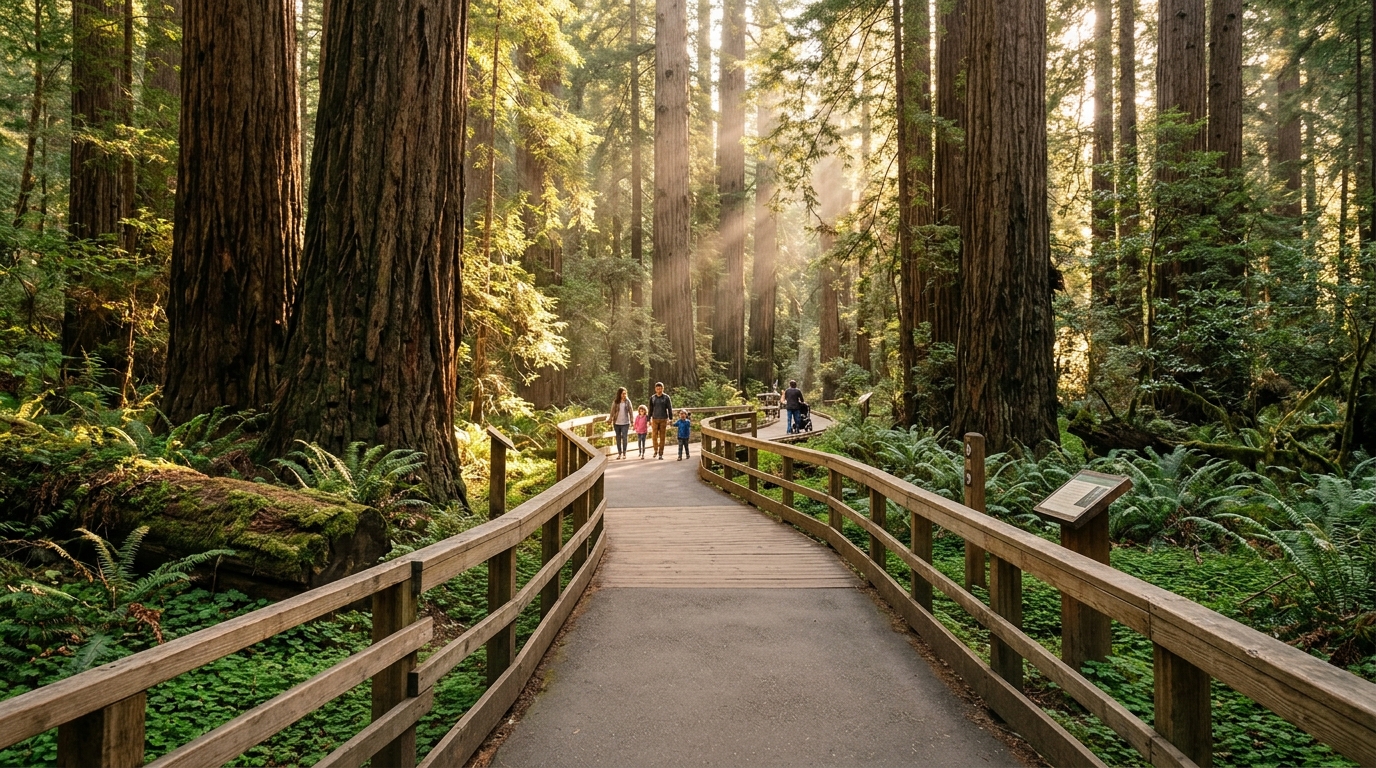
easier to explore.
Review official accessibility information when available, especially if your
visit requires specific facilities or assistance. Contacting the destination
ahead of time can help clarify details that may not be fully explained online.
Prepare for Weather and Changing Conditions
California has a wide range of climates and landscapes. Coastal destinations
can be cool and windy, mountain areas may experience sudden weather changes,
and desert locations can become extremely hot during certain seasons.
Choose clothing and footwear suited to your destination. Comfortable walking
shoes are useful for exploring historic districts and outdoor attractions,
while sun protection and sufficient drinking water are important for many
outdoor activities.
If your itinerary includes parks, trails, or remote landmarks, check current
weather advisories and local conditions. Follow posted warnings and avoid
entering areas that are temporarily closed or considered unsafe.
Follow Visitor Safety Guidelines
Popular landmarks and attractions can become crowded, particularly during
weekends, holidays, and peak travel seasons. Staying aware of your
surroundings and following visitor instructions can help reduce avoidable
risks.
Keep to designated pathways, observe barriers and warning signs, and avoid
restricted areas. At coastal destinations, pay attention to ocean conditions
and cliffside warnings. At historic properties, follow instructions about
fragile structures, exhibits, and protected areas.
When exploring busy public spaces, be mindful of pedestrian crossings, vehicle
traffic, bicycles, and other visitors. Keep personal belongings secure and
identify official visitor assistance locations when available.
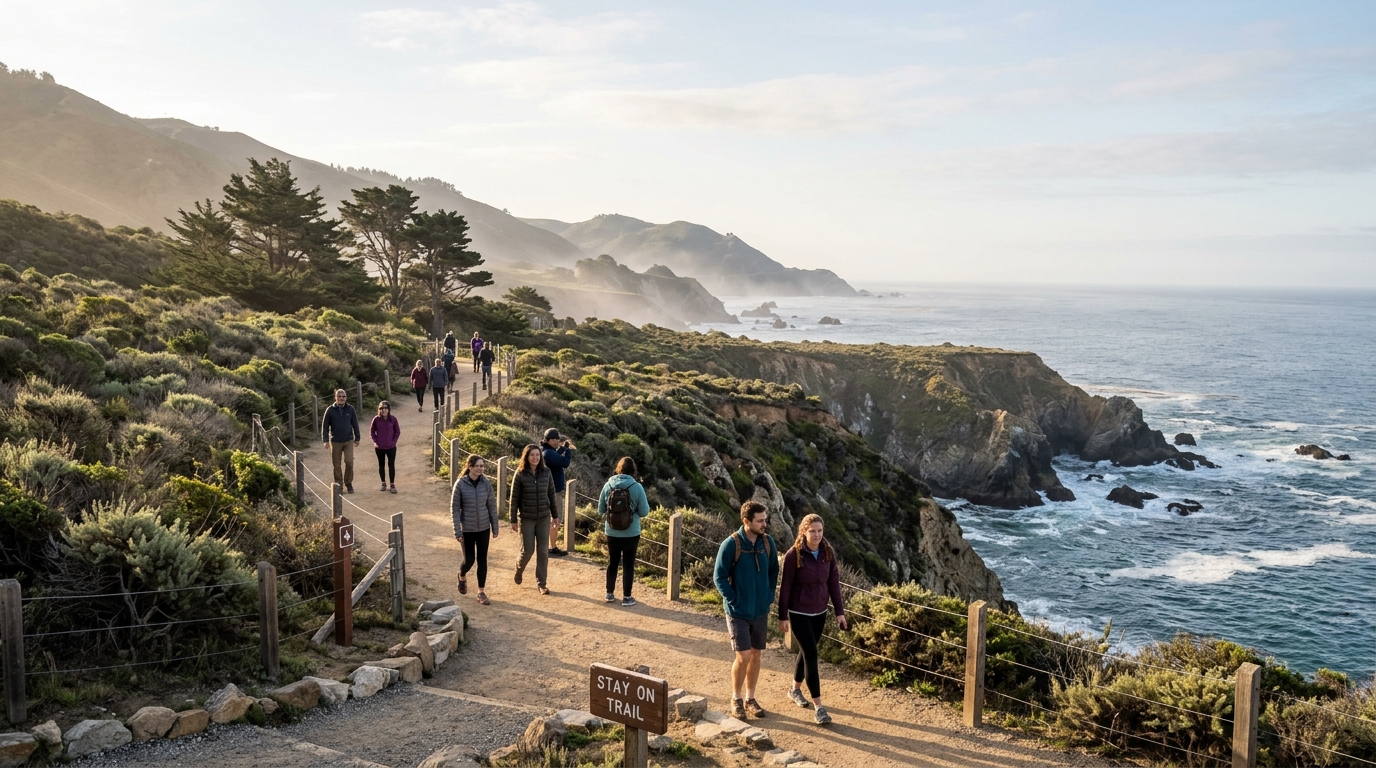
experience at popular destinations.
Respect Historic Sites and Natural Environments
Many California landmarks preserve important historical, cultural, or
environmental resources. Responsible visitors help protect these places so
that future generations can continue to appreciate them.
Avoid touching delicate historic features, removing natural materials,
damaging plants, or leaving litter. Follow photography rules, respect private
property boundaries, and observe any restrictions on pets, food, or
recreational activities.
When visiting culturally significant places, take time to understand their
history and respect the communities connected to them. Responsible exploration
means appreciating a destination without disrupting its environment or the
people who care for it.
Create a Realistic Travel Itinerary
California is a large state, and attractions can be separated by considerable
travel distances. Trying to visit too many destinations in one day may leave
little time to appreciate each location.
Group nearby landmarks together when planning your route. Allow time for
transportation, parking, meals, walking, and unexpected delays. If a
destination offers guided tours or scheduled activities, build your itinerary
around those arrangements.
For longer trips, consider dividing your itinerary by region. Exploring
destinations in Southern California, the Central Coast, the San Francisco Bay
Area, or Northern California separately can make travel more manageable.
Helpful Reminders Before Visiting a California Landmark
Before heading out, review this simple checklist:
- Confirm the destination’s current hours and admission requirements.
- Check whether advance reservations or tickets are necessary.
- Review transportation options, parking, and route conditions.
- Look for accessibility information and available visitor facilities.
- Check weather forecasts and any relevant safety advisories.
- Bring suitable clothing, comfortable footwear, and necessary supplies.
- Save important directions and visitor information before traveling.
- Follow local rules and respect the landmark and its surroundings.
Discover California One Landmark at a Time
Exploring California’s landmarks is an opportunity to experience the state’s
history, architecture, culture, and natural beauty. With thoughtful
preparation, visitors can enjoy destinations more comfortably while gaining a
deeper understanding of what makes each place special.
Whether you’re discovering a famous attraction for the first time or visiting
a lesser-known historic destination, every journey can reveal something new
about the Golden State.
Continue exploring CaliLandmarks for destination profiles, historical stories,
travel insights, and practical guides to California’s remarkable places.