
California’s history can be explored through the places that have stood
through generations of change. Across the state, historic missions,
preserved mining towns, architectural landmarks, bridges, and cultural
destinations offer glimpses into the events and communities that helped
shape the Golden State. These landmarks are more than popular places to
visit. They are reminders of California’s complex past and the stories that
continue to influence its identity.
From early colonial settlements to the Gold Rush and the development of
modern cities, California’s historic sites represent different periods of
growth, conflict, innovation, and cultural change. Exploring these places
helps visitors understand how the state developed and why preserving its
historic character remains important.
California’s History Preserved Through Its Landmarks
California has a diverse collection of historic places that reflect its many
historical periods. Some landmarks are connected to Indigenous communities
and their enduring cultural traditions, while others preserve evidence of
Spanish and Mexican colonial periods, early American settlement, industrial
development, and the growth of transportation networks.
Historic missions are among the state’s most recognizable architectural
landmarks. Established during the Spanish colonial period, these sites
include churches, courtyards, gardens, and other surviving structures. Their
history is complex and should also be understood through the experiences of
Indigenous peoples, including the profound consequences of colonization,
forced labor, cultural disruption, and displacement.
The California Missions and Their Historical Significance
The California mission system developed between 1769 and 1823, when Spanish
authorities and Franciscan missionaries established a chain of 21 missions
along the coast. These settlements became significant parts of the region’s
colonial history and influenced the development of communities,
architecture, agriculture, and transportation routes.
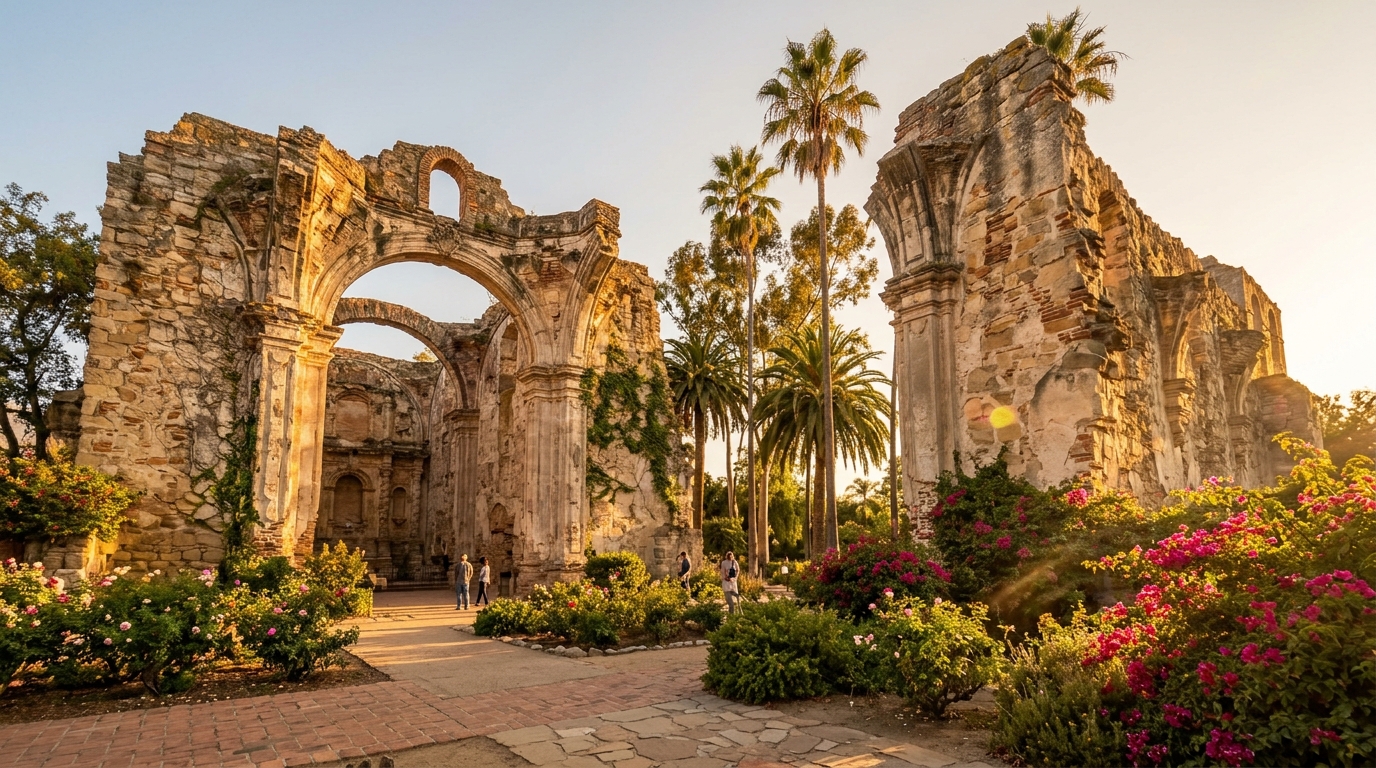
Today, many mission sites preserve historic buildings, religious
collections, gardens, and architectural details. Their adobe walls, tiled
roofs, bell towers, and arched walkways offer visitors an opportunity to
examine the architectural traditions of the period. However, these places
also represent a difficult chapter in California history, particularly for
the Indigenous communities whose lives were profoundly affected by the
mission system.
The Gold Rush and the Growth of California
The discovery of gold near Sutter’s Mill in 1848 transformed California.
News of the discovery attracted thousands of people from different parts of
the world, creating rapid population growth and the development of mining
settlements, trading centers, and transportation routes.
Communities throughout the Sierra Nevada foothills expanded as prospectors,
merchants, workers, and families arrived in search of opportunities.
Although the Gold Rush brought economic growth and helped accelerate
California’s transition to statehood in 1850, it also contributed to
environmental damage, violent displacement, and severe hardship for
Indigenous communities.
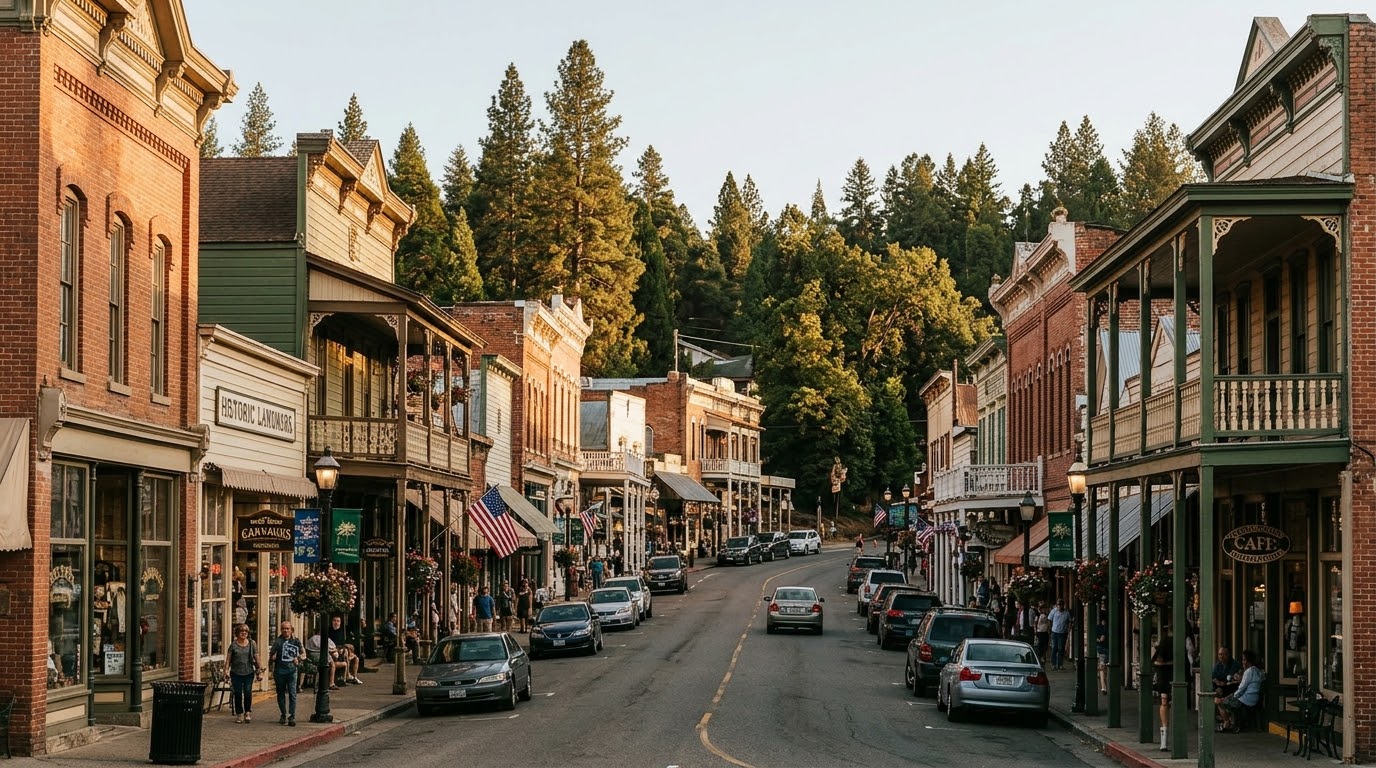
Today, historic Gold Rush towns preserve portions of this period through old
storefronts, mining structures, museums, and restored commercial districts.
Places such as Nevada City, Columbia State Historic Park, and Bodie Historic
District allow visitors to learn about the people, industries, and
communities associated with California’s mining history.
Why Historic Landmarks Matter Today
Historic landmarks help preserve the physical reminders of California’s
past. Buildings, monuments, preserved streets, and archaeological sites
provide opportunities for education and historical research. They also help
communities maintain connections to their heritage and recognize the people
and events that shaped their surroundings.
Preservation is important because historic structures and cultural places
can be vulnerable to deterioration, natural disasters, development
pressures, and other changes. Responsible conservation helps protect these
resources so that future generations can continue learning from them.
Exploring California’s Historic Destinations
Visiting historic landmarks can be both educational and memorable. Some
destinations offer guided tours, interpretive exhibits, museums, and walking
routes, while others preserve outdoor structures and landscapes that
visitors can explore at their own pace.
Before visiting, it is helpful to review official destination information.
Check opening schedules, admission requirements, parking arrangements,
accessibility features, and any restrictions on certain areas. Historic
properties may have uneven walkways, narrow passages, stairs, or surfaces
that require additional care.
Visitors should also respect preservation guidelines, remain within
designated areas, and avoid touching or removing historic materials.
Thoughtful exploration helps protect these destinations while allowing
others to appreciate their historical and cultural significance.
Discover More of California’s History
California’s historic landmarks tell stories that extend far beyond
individual buildings and monuments. They reflect the experiences of
Indigenous communities, the influence of different cultures, periods of
economic transformation, and the development of communities throughout the
state.
Whether exploring a historic mission, walking through a Gold Rush town, or
discovering a lesser-known heritage site, each destination offers another
opportunity to understand California’s past. Through CaliLandmarks, readers
can continue discovering the places, stories, and historical connections
that make the Golden State unique.