
California is known for more than its cities, historic buildings, and famous
attractions. The state also contains an extraordinary variety of natural
landscapes, ranging from towering mountain ranges and ancient forests to
rugged coastlines, deep valleys, and expansive desert environments. These
natural destinations reveal another side of California and offer
opportunities to appreciate the state’s remarkable geography and
environmental diversity.
Across the Golden State, national parks, state parks, protected coastal
areas, and scenic wilderness destinations preserve some of the region’s most
impressive natural features. Each location has its own character, shaped by
geological processes, climate, wildlife, and centuries of environmental
change.
A State Defined by Diverse Natural Landscapes
One of California’s most distinctive characteristics is its geographic
diversity. Within a relatively large state, visitors can encounter alpine
mountains, Mediterranean landscapes, dense forests, dry deserts, wetlands,
and coastal ecosystems. These environments support a wide range of plant and
animal species while creating some of the most recognizable scenery in the
western United States.
The Sierra Nevada mountain range is home to dramatic granite formations,
high-elevation lakes, waterfalls, and extensive forests. Along the Pacific
coastline, steep cliffs, sandy beaches, rocky shorelines, and coastal
habitats create constantly changing landscapes. Farther inland, desert
regions feature unusual rock formations, dry valleys, and vegetation adapted
to challenging conditions.
These natural environments are important not only for recreation and tourism
but also for conservation, scientific research, and environmental education.
Yosemite Valley and Its Iconic Granite Landscapes
Located in the Sierra Nevada, Yosemite National Park is one
of California’s most recognized natural destinations. Its landscapes include
towering granite cliffs, dramatic waterfalls, ancient giant sequoias,
mountain meadows, and clear rivers. Yosemite Valley is particularly well
known for its impressive rock formations and scenic viewpoints.
Landmarks such as El Capitan and Half Dome have become symbols of the park.
Their massive granite surfaces attract photographers, hikers, climbers, and
visitors interested in understanding the geological forces that shaped the
region. Seasonal changes also transform the scenery, with spring waterfalls,
summer greenery, autumn colors, and winter snow creating different
experiences throughout the year.
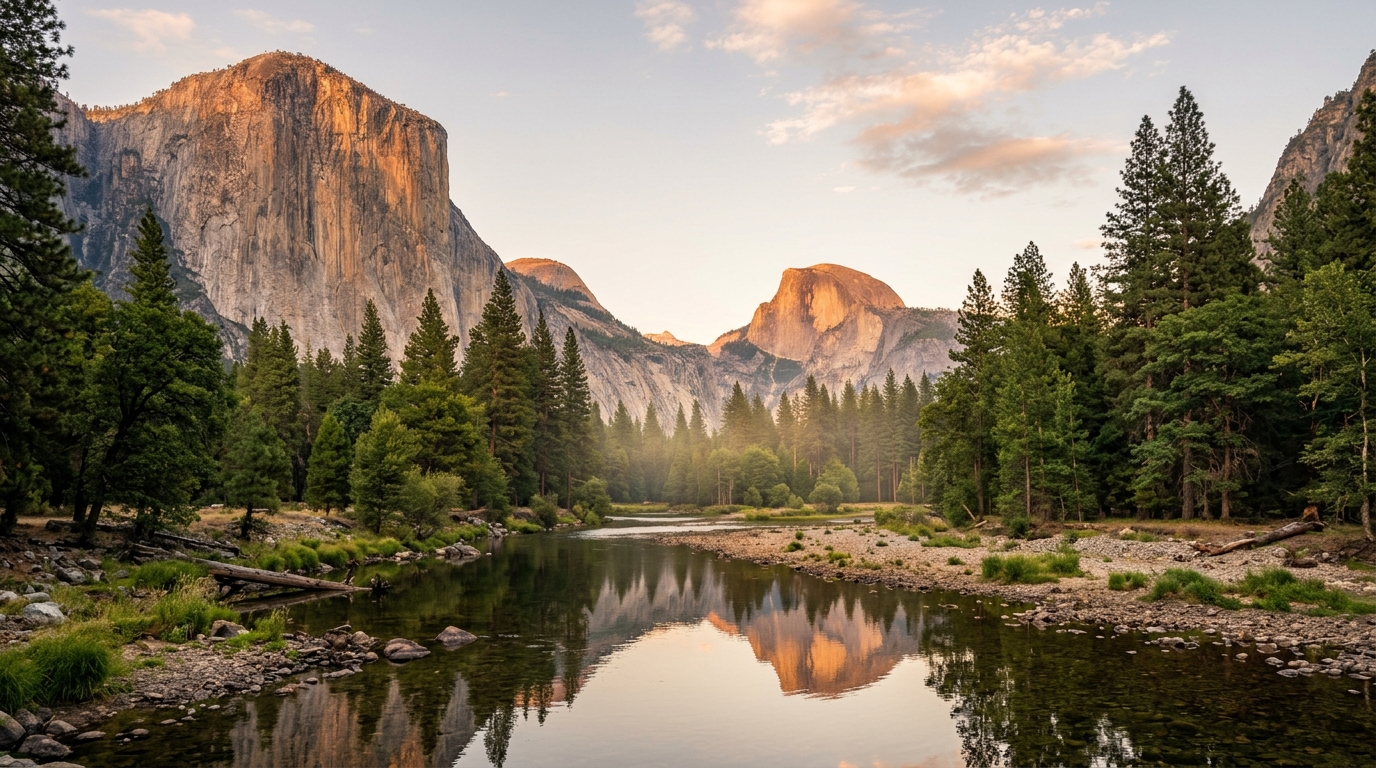
beauty of Yosemite National Park.
Big Sur and California’s Dramatic Pacific Coastline
California’s coastline offers a completely different natural experience.
Among its most recognizable coastal regions is Big Sur,
where rugged cliffs, forested hillsides, winding roads, and expansive
Pacific Ocean views create a distinctive landscape along the central coast.
The region is known for its scenic coastal viewpoints, natural beaches,
redwood forests, and protected public lands. Visitors can experience the
scenery through designated trails, overlooks, and nearby parks. The changing
ocean conditions, coastal fog, and sunlight also contribute to the area’s
distinctive atmosphere.
Because portions of the coastline feature steep terrain and narrow roads,
visitors should pay attention to road conditions, designated parking areas,
trail warnings, and posted safety information. Coastal environments can
change quickly, making it important to maintain a safe distance from
unstable cliffs and powerful ocean waves.
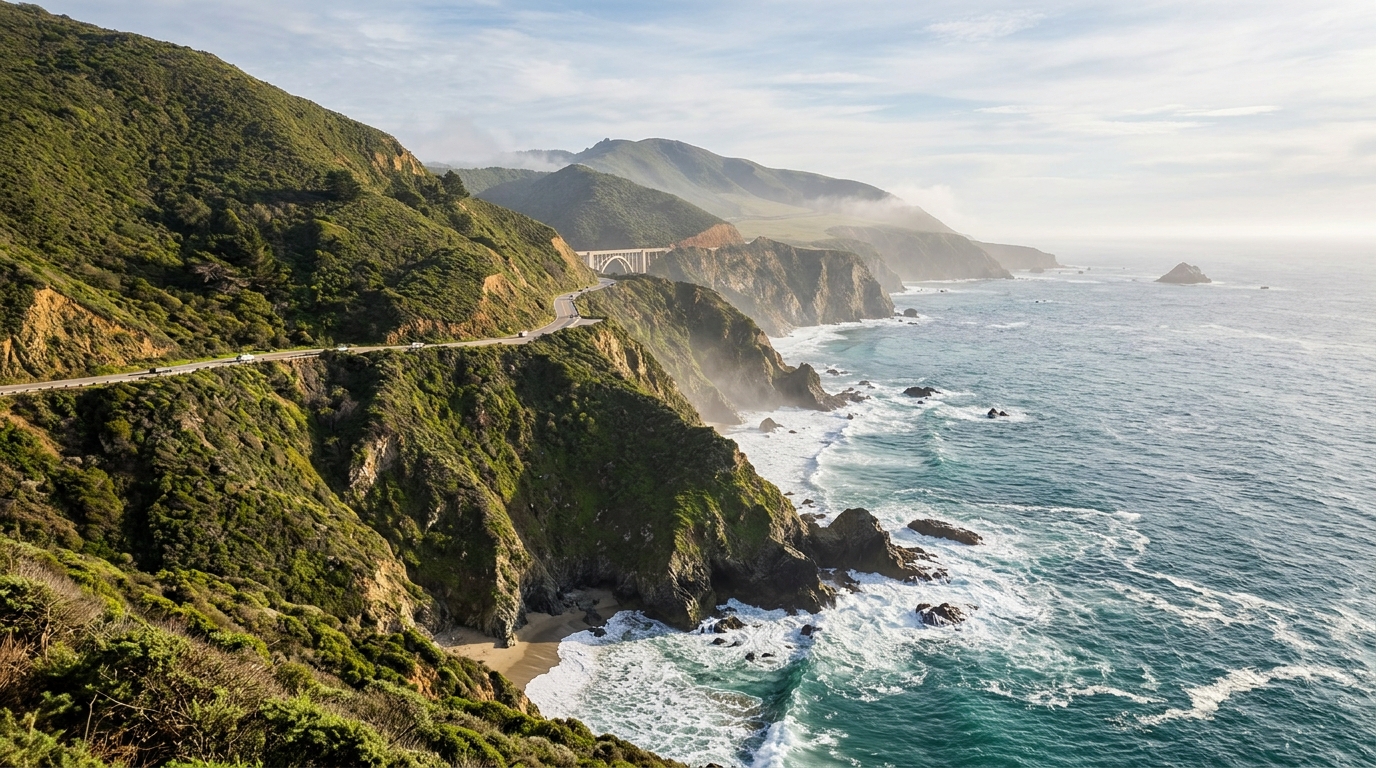
remarkable beauty of California’s central coast.
Desert Landscapes and Unusual Geological Features
Beyond the mountains and coastline, California’s deserts contain some of the
state’s most distinctive natural attractions.
Death Valley National Park is known for its vast desert
scenery, salt flats, colorful rock formations, and dramatic elevation
changes. Its landscapes demonstrate how geological activity and extreme
environmental conditions have shaped the region over time.
Other desert destinations feature unusual rock formations, dry lake beds,
volcanic features, and native plant communities adapted to limited rainfall.
These environments offer valuable opportunities to learn about desert
ecosystems and the natural processes that influence them.
Visitors exploring desert areas should plan carefully. High temperatures,
limited water sources, long distances between facilities, and changing road
conditions can create challenges. Checking weather forecasts, carrying
sufficient drinking water, and following park guidance are important parts
of responsible desert exploration.
Forests, Waterfalls, and Mountain Destinations
California’s forests and mountain regions offer additional opportunities to
experience the state’s natural heritage. Redwood forests along the northern
coast contain some of the tallest trees on Earth, while giant sequoia groves
in the Sierra Nevada preserve some of the largest trees by volume.
Mountain destinations also feature rivers, waterfalls, alpine lakes, and
scenic hiking areas. These places attract visitors interested in
photography, camping, wildlife observation, and outdoor recreation. Their
natural character can vary considerably depending on elevation, weather, and
season.
Protected areas help conserve these environments and provide opportunities
for people to learn about biodiversity, forest ecology, and the importance
of maintaining healthy natural landscapes.
Responsible Ways to Explore California’s Natural Attractions
Enjoying California’s natural destinations also involves understanding how
to protect them. Visitors should remain on designated trails, avoid
disturbing wildlife, dispose of waste properly, and follow restrictions
concerning fires, camping, and recreational activities.
It is equally important to consider personal safety when exploring outdoor
destinations. Some trails include uneven surfaces, steep sections, exposed
terrain, and changing weather conditions. Visitors should choose activities
that match their experience and physical abilities, review trail
information, and carry appropriate supplies.
Accessibility also varies among natural attractions. Some parks provide
accessible paths, visitor centers, parking, and viewing areas, while remote
wilderness locations may have limited facilities. Checking official park
information before traveling can help visitors make informed decisions.
Discover the Natural Beauty of California
California’s natural wonders reveal the remarkable variety of landscapes
that make the state distinctive. From the granite cliffs of Yosemite and the
dramatic shores of Big Sur to desert valleys and ancient forests, these
destinations provide opportunities to experience nature in many different
forms.
Whether visiting a famous national park or discovering a quieter natural
destination, exploring these places can create a deeper appreciation for
California’s environment and natural heritage. Through CaliLandmarks,
readers can continue discovering the landscapes, destinations, and natural
features that make the Golden State worth exploring.